Metabolites and medicines: The microbial mysteries of seagrass
Medicinal drug discovery has shaped the way we look at microbes and the different chemicals and metabolites they create; antibiotic, antifungal and so on.
But what about the role of these metabolites in natural environments - are antibiotics just antibiotics or do they serve other ecological purposes?
With advances in genome analysis, we can see that microbes have the genetic potential to create even more metabolites than in laboratory settings. This begs the question: How many of these metabolites are truly produced in nature?
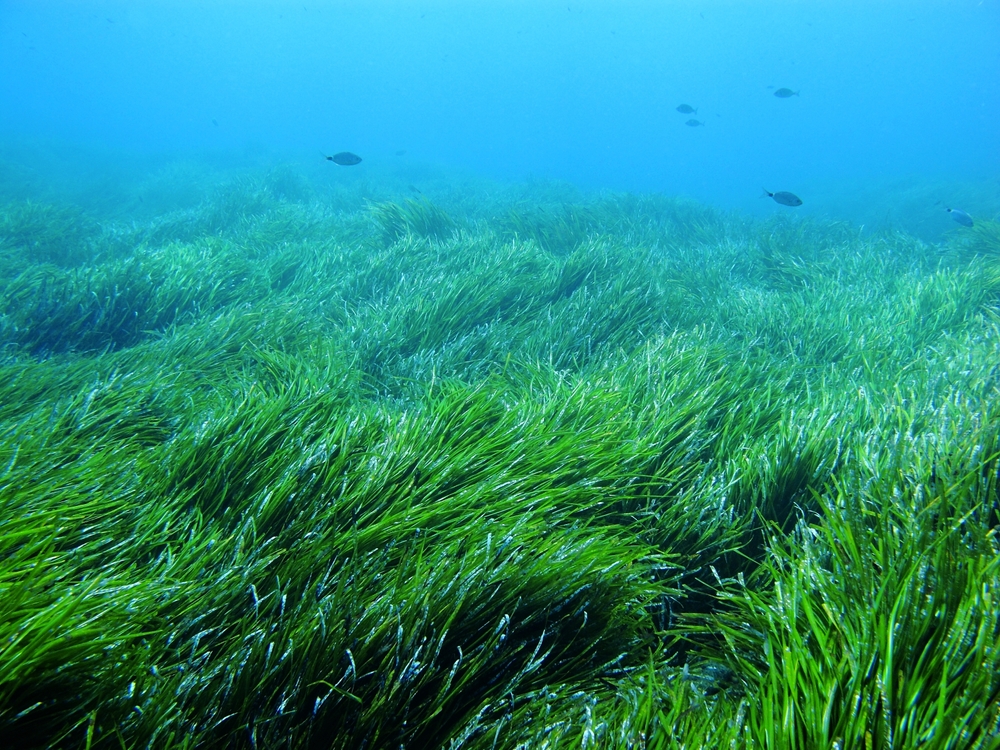
To answer all these questions, we must leave the lab, at least temporarily, and use some new techniques to look right at the natural source. In this case, we peek into the unique microbial communities living in and around marine seagrasses, and investigate the chemistry of their metabolism right at the root.
(Photo: Shutterstock)
Kort og godt
Kan bookes i
Teknisk udstyr
Something to display PowerPoint-slides.Emne
Målgruppe
Varighed
30 min-1hrForsker
Daniel OttoAnsættelsessted
Danmarks Tekniske Universitet - DTU BioengineeringTitel
PhD StudentKan bookes
| mandag 20/4 | ||
| formiddag | eftermiddag | aften |
|
Fysisk
|
Fysisk
|
Fysisk
|
| tirsdag 21/4 | ||
| formiddag | eftermiddag | aften |
|
Fysisk
|
Fysisk
|
Fysisk
|
| onsdag 22/4 | ||
| formiddag | eftermiddag | aften |
|
Fysisk
|
Fysisk
|
Fysisk
|
| torsdag 23/4 | ||
| formiddag | eftermiddag | aften |
|
Fysisk
|
Fysisk
(København K)
|
Fysisk
|
| fredag 24/4 | ||
| formiddag | eftermiddag | aften |
|
Fysisk
|
Fysisk
|
Fysisk
|
| lørdag 25/4 | ||
| formiddag | eftermiddag | aften |
|
Fysisk
|
Fysisk
|
Fysisk
|
| søndag 26/4 | ||
| formiddag | eftermiddag | aften |
|
Fysisk
|
Fysisk
|
Fysisk
|