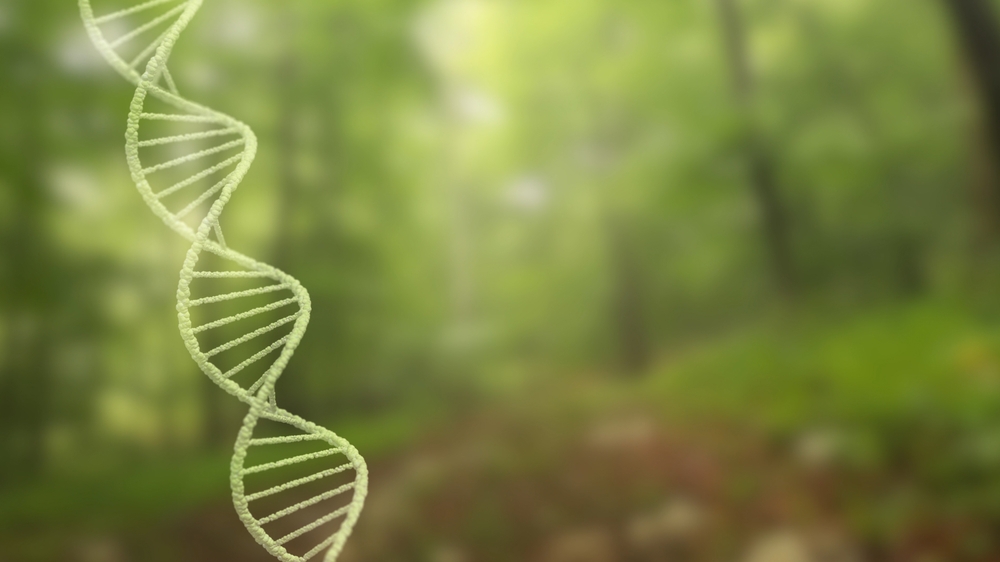
Life After Life: The Afterlife of DNA
We’ve all heard about DNA: how it links us to our ancestors, our health, and shapes every living being. But far fewer people know what happens to DNA after life ends—how it lingers in the world around us long after our bodies are gone.
Learn about how DNA is not just a molecule but a storyteller, that is hidden in sediments and soils for thousands or even millions of years. This allows us to read chapters of Earth’s history that were previously inaccessible: who lived in a place, when they were there, and how did they interact with their environments.
But the story takes an unexpected turn. Humans are not the only organisms that can capture and use sedimentary DNA. Bacteria also take up environmental DNA in ways we struggle to understand. Why do they do it? How has this shaped evolution? And if DNA is everywhere and microbes can use it, what does that mean for us today?
(Foto: Shutterstock)
Kort og godt
Kan bookes i
Teknisk udstyr
A screen to show slides and a pointer for the presentation.Emne
Målgruppe
Varighed
30-45 min (45 min including discussion)Forsker
Carlota CarbajoAnsættelsessted
Globe Insitute, University of CopenhagenTitel
PhD studentKan bookes
| mandag 20/4 | ||
| formiddag | eftermiddag | aften |
| tirsdag 21/4 | ||
| formiddag | eftermiddag | aften |
| onsdag 22/4 | ||
| formiddag | eftermiddag | aften |
| torsdag 23/4 | ||
| formiddag | eftermiddag | aften |