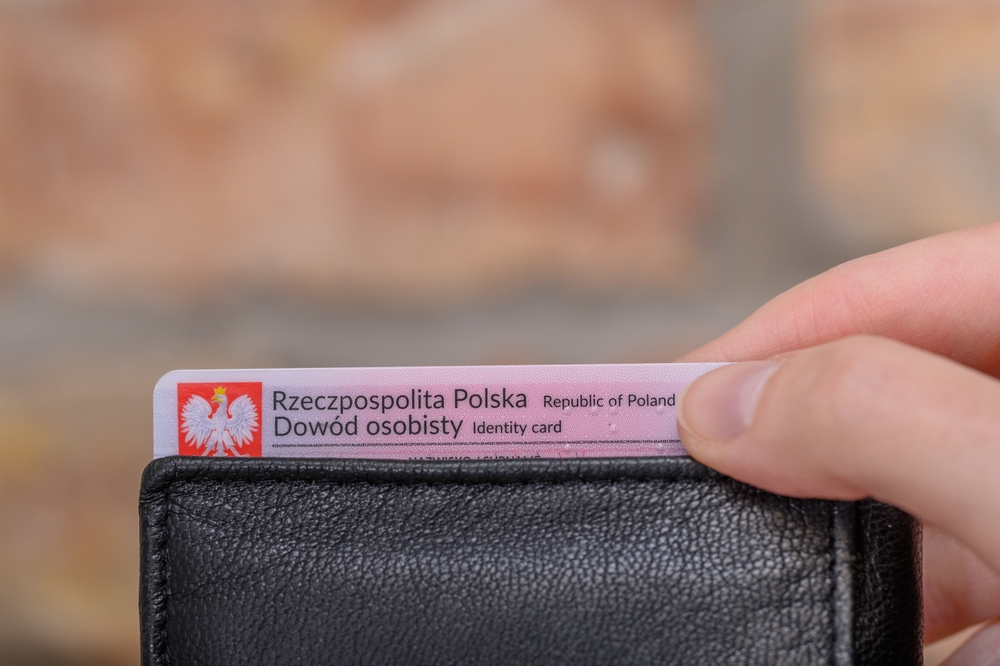
What Does it Mean to Be Polish? Polish Identity Building in Culture
This lecture explores how “Polishness” is fought over in today’s populist Poland, focusing on museums, media, and memory of the Holocaust to show how history is weaponized in ongoing identity battles.
This lecture digs into how “Polishness” has become a fiercely contested idea in today’s Poland. It looks at museums, school curricula, films and TV as key battlegrounds where politicians and cultural institutions fight over which past should define the nation’s future. From the quip about “voting for a better yesterday” to the heated debates over Polish roles in the Holocaust, the talk shows how history is selectively remembered, sanitized, or spotlighted to fit a populist agenda.
Along the way, it asks: Who gets included in the story of the nation, who is pushed out, and what happens to a democracy when culture is turned into a weapon in ongoing identity wars?
(Photo: Shutterstock)
Kort og godt
Kan bookes i
Storkøbenhavn
Teknisk udstyr
use of powerpointEmne
Kultur og Samfund
Målgruppe
Unge (inkl. ungdomsuddannelser)
7.-10. klassetrin
Voksne
Varighed
45-60 minForsker
Anna KrakusAnsættelsessted
Københavns UniversitetTitel
assistant professorKan bookes
| mandag 20/4 | ||
| formiddag | eftermiddag | aften |
| onsdag 22/4 | ||
| formiddag | eftermiddag | aften |
| torsdag 23/4 | ||
| formiddag | eftermiddag | aften |
| fredag 24/4 | ||
| formiddag | eftermiddag | aften |
| lørdag 25/4 | ||
| formiddag | eftermiddag | aften |
| søndag 26/4 | ||
| formiddag | eftermiddag | aften |